What Does a Mini Split Cost in Billings, MT?
A ductless mini split gives you targeted heating and cooling without tearing into walls for ductwork — but the price varies more than most national guides let on. Montana's climate, your home's layout, and the number of zones you need all push the number in different directions. This page walks through realistic budget ranges and the factors that actually move the needle, so you can go into a conversation with a contractor knowing what to expect.
Realistic Cost Ranges for Mini Split Installation in Billings
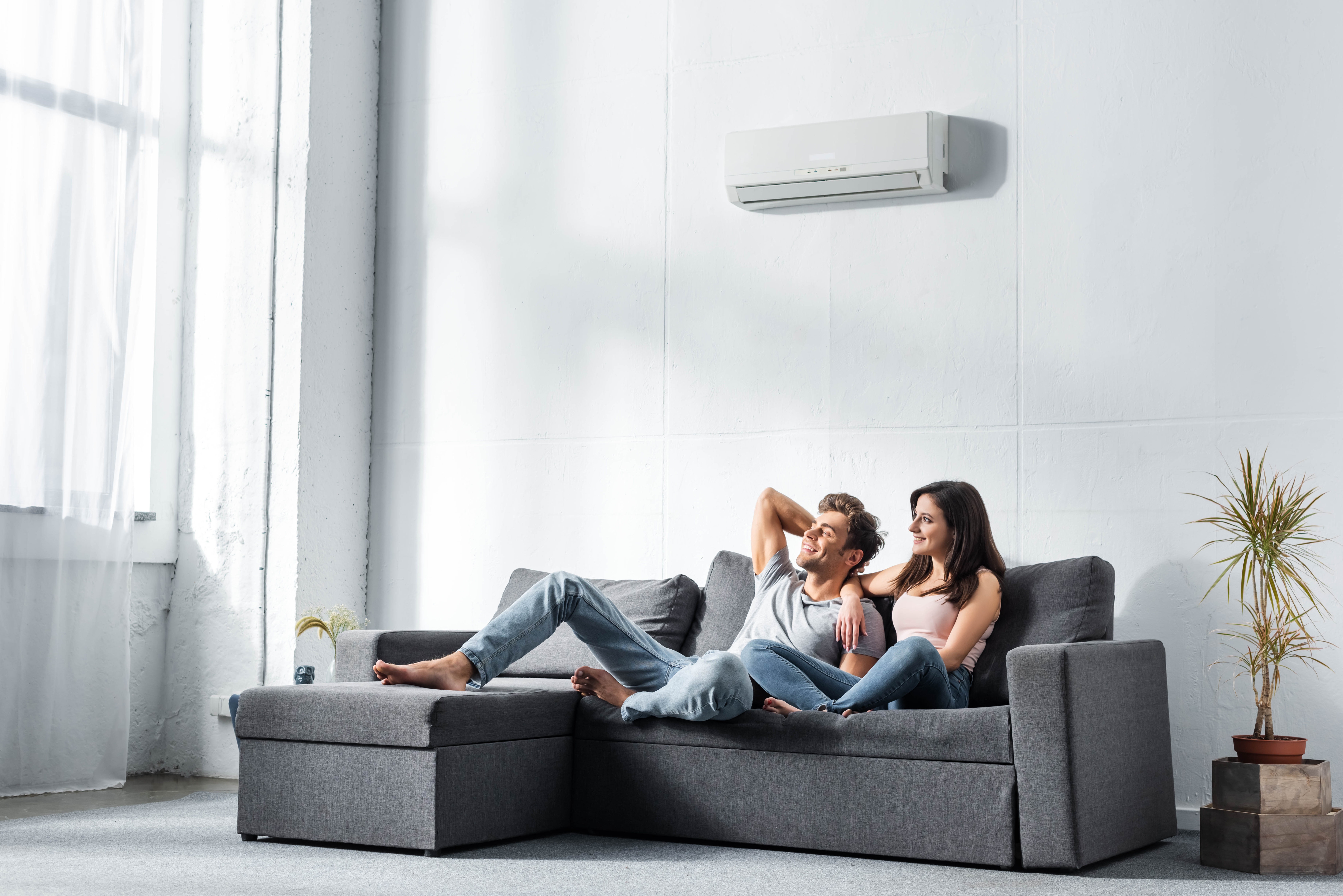
Mini split installation cost in Billings, MT typically falls between $3,000 and $8,000 for a single-zone system, including equipment and labor. Multi-zone systems — where one outdoor unit serves two, three, or four indoor air handlers — generally run $6,000 to $15,000 or more depending on the number of zones and the complexity of the installation. These are directional ranges based on current market conditions in Montana. Your actual number will depend on the factors covered below, and a proper load calculation is the only reliable way to land on a real figure for your specific home.
What Drives the Price Up or Down
Zone Count and System Size
The single biggest cost variable is how many zones you need. A single-zone system serving one room or addition is the most straightforward installation. Each additional zone adds an indoor air handler, refrigerant line, and labor — costs that compound quickly. Oversizing a system to cover more zones than the equipment is rated for also creates efficiency problems, so zone planning matters as much as zone count.
Line-Set Runs and Home Layout
The refrigerant line connecting your indoor and outdoor units has to travel from the air handler to the condenser. Longer runs, multiple stories, or routing through tight spaces like crawlspaces and attics all add time and materials. A straightforward exterior wall installation on a single-story home is the cleanest scenario. Anything more complex adds to the labor side of the estimate.
Cold-Climate Equipment Requirements
Standard mini split equipment is not rated for Montana winters. Billings sees extended stretches below zero, and a system that loses capacity at 20°F is not a reliable heat source here. Cold-climate mini splits — sometimes called hyper-heat or low-ambient units — are rated to operate efficiently at temperatures well below freezing. They cost more upfront, but they are the right equipment for this market. Any estimate that does not account for cold-climate rated equipment is not a complete picture.
Electrical Work
Mini splits require a dedicated electrical circuit. If your panel has capacity and the circuit run is short, electrical costs are modest. If your panel needs an upgrade or the circuit run is long, that work adds to the total. This is a line item that surprises homeowners who get equipment-only quotes without factoring in the full installation scope.
Single-Zone vs. Multi-Zone: Understanding the Tradeoff
A single-zone system is the right starting point for most homeowners adding comfort to one space — a bonus room, a garage conversion, a bedroom that never gets warm enough. The cost is lower, the installation is simpler, and the system is easy to size correctly. Multi-zone systems make sense when you want to condition several areas without ductwork, but each additional zone adds complexity and cost. The efficiency gains from a well-planned multi-zone setup can offset some of that cost over time, but the upfront investment is real. The honest answer on which approach fits your home depends on a load calculation, not a rule of thumb.
Why National Cost Guides Don't Apply Here
Most online mini split cost calculators are built on national averages. They do not account for Montana's heating load requirements, the cold-climate equipment that Billings winters demand, or local labor rates. A $2,500 installed price you see quoted in a national guide is almost certainly a single-zone system in a mild-climate market with favorable installation conditions. Using that number as a planning baseline for a Billings home will leave you underprepared. Getting a local estimate from a contractor who understands Montana's climate and installation conditions is the only way to build a realistic budget.
Ready to Get a Real Number for Your Home?
What affects the cost of a mini split in Billings?
The number of indoor heads, the size of the space, the line-set run from outdoor unit to indoor unit, electrical work, and whether you choose a cold-climate model. We give a firm quote after seeing the space.Do mini splits work in a Montana winter?
Cold-climate mini splits are built to keep heating at low outdoor temperatures. For the coldest stretches, many Billings homes keep a backup heat source. We size the system around your home and your existing heat.Is a mini split cheaper than adding ductwork?
For additions, garages, finished basements and older homes without ducts, a ductless mini split is usually the simpler install.How many indoor units do I need?
Usually one per room or zone you want to control. A single open area may only need one head; several bedrooms usually need more.How do I get a mini split quote from Encode?
Call (406) 245-2520 or request a free estimate online. We serve Billings, Laurel, Columbus and surrounding Montana communities.
Ready to Get a Real Number for Your Home?
National averages and online calculators are a starting point, not a budget. The variables that matter — your home's layout, zone count, electrical situation, and Montana's heating demands — can only be assessed in person. Encode Corporation has been giving Billings homeowners straight answers on HVAC costs for over four decades. Call 406-245-2520 or request a free estimate online and we will put a real number together for you.